
li lu net worth

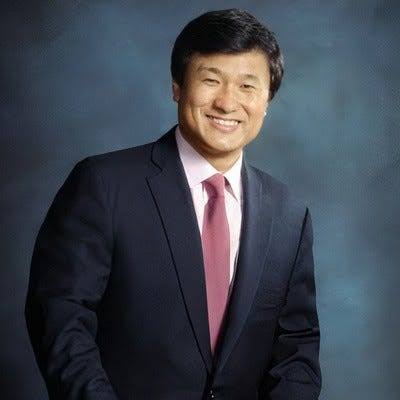
Estimated Net Worth
$2.5 Billion
Li Lu is a name that often flies under the radar in Western financial circles, but in the world of investing, he’s a figure of quiet influence. Born in China and later moving to the U.S., Lu has built a reputation as a disciplined value investor, following in the footsteps of legends like Warren Buffett. His journey from a student activist to a hedge fund manager and private equity investor is a story of strategic thinking and long-term vision. While he may not be a household name, his net worth and investment track record speak volumes about his financial acumen.
What sets Li Lu apart is his ability to blend Eastern and Western investment philosophies. He’s known for his deep research, patience, and willingness to bet big on undervalued assets. His firm, Himalaya Capital, has delivered strong returns over the years, and his personal wealth reflects that success. Beyond investing, Lu has also made strategic moves in private equity and venture capital, further diversifying his portfolio. This article breaks down his net worth, career trajectory, and the key factors that have shaped his financial standing.
Click here for: koo and patricia yuen net worth
Li Lu Net Worth in 2026
Li Lu’s net worth in 2026 is estimated to be in the range of $1.5 billion to $2 billion. This figure places him among the wealthiest investors in the world, though he remains far less visible than many of his peers. His wealth is primarily tied to his investment firm, Himalaya Capital, which manages billions in assets. The firm’s long-term performance, particularly in equities and private investments, has been a major driver of his net worth growth.
A significant portion of Lu’s wealth comes from his personal stakes in companies he has invested in over the years. Unlike many hedge fund managers who rely on fees, Lu’s fortune is largely built on the appreciation of his own capital. His early investments in Chinese companies, particularly in the technology and consumer sectors, have paid off handsomely. Additionally, his private equity ventures have added another layer of wealth accumulation, making his net worth a reflection of both public and private market success.
Career and Beginnings
Li Lu’s career began far from the world of finance. Born in China in 1966, he was a student leader during the 1989 Tiananmen Square protests, an experience that forced him to flee the country. He arrived in the U.S. with little more than a scholarship to Columbia University, where he earned degrees in economics and law. It was at Columbia that he crossed paths with Warren Buffett, who would later become a mentor and influence on his investment philosophy.
After graduating, Lu worked briefly in investment banking before launching his own firm, Himalaya Capital, in 1997. His early years were marked by a focus on deep value investing, often targeting undervalued companies in Asia. One of his most notable early moves was an investment in BYD, a Chinese battery and electric vehicle manufacturer, which became one of the most profitable bets of his career. This success established his reputation as a savvy investor with a knack for spotting long-term trends.
Business Ventures & Assets
Beyond his hedge fund, Li Lu has diversified his business interests into private equity and venture capital. His firm, Himalaya Capital, has made direct investments in a range of companies, particularly in technology and consumer sectors. One of his most high-profile moves was his early backing of Tesla competitor BYD, which saw massive returns as the company grew into a global player. This investment alone contributed hundreds of millions to his net worth.
Lu also holds significant stakes in other private companies, many of which are not publicly disclosed. His approach to private equity mirrors his public market strategy: long-term holds in businesses with strong fundamentals. Additionally, he has invested in real estate, though details on these holdings are scarce. His asset base is a mix of liquid investments, private company stakes, and real estate, all of which contribute to his overall wealth.
Earnings and Income Streams
Li Lu’s primary income stream comes from his role as the founder and manager of Himalaya Capital. The firm operates on a traditional hedge fund model, charging management fees and a percentage of profits. However, unlike many fund managers, Lu has historically taken a smaller share of the profits, preferring to reinvest earnings into his own portfolio. This approach has allowed his personal wealth to grow alongside his clients’ capital.
In addition to hedge fund fees, Lu earns returns from his private investments and equity stakes in companies. His early investments in BYD and other Chinese firms have generated substantial capital gains over the years. He also receives dividends from some of his holdings, though his focus remains on long-term appreciation rather than short-term income. This diversified income structure has provided stability and growth to his net worth over time.
Click here for: latrell sprewell net worth
Frequently Asked Questions About li lu net worth
1. What is Li Lu’s net worth in 2026?
Li Lu’s net worth in 2026 is estimated to be around $1.5 billion, primarily derived from his investments through Himalaya Capital, his role as a value investor, and his early backing of companies like BYD and other high-performing assets.
2. How did Li Lu accumulate his wealth?
Li Lu built his wealth through a combination of astute value investing, early-stage investments in successful companies, and his leadership at Himalaya Capital. His most notable investment was in BYD, a Chinese electric vehicle and battery manufacturer, which significantly boosted his net worth.
3. Is Li Lu a billionaire in 2026?
Yes, as of 2026, Li Lu is considered a billionaire, with his net worth exceeding $1 billion due to the performance of his investment portfolio and the growth of companies he has backed.
4. What is Himalaya Capital, and how does it contribute to Li Lu’s net worth?
Himalaya Capital is Li Lu’s investment firm, which manages billions in assets for institutional and private investors. The firm’s successful investments in undervalued companies and long-term holdings contribute significantly to Li Lu’s personal net worth.
5. What are some of Li Lu’s most successful investments?
Some of Li Lu’s most successful investments include:
– BYD (early investor, now a global EV leader)
– Micron Technology
– Bank of America (during the 2008 financial crisis)
– Other undervalued stocks in his portfolio
6. How does Li Lu’s net worth compare to other famous investors?
Li Lu’s net worth in 2026 places him among the top-tier value investors, though he is not as wealthy as figures like Warren Buffett or Charlie Munger. His approach mirrors Buffett’s principles, focusing on long-term value investing rather than speculative bets.
7. Does Li Lu still actively manage his investments in 2026?
Yes, Li Lu remains actively involved in managing Himalaya Capital’s investments and continues to make strategic decisions for his personal portfolio. He is known for his disciplined, research-driven approach.
8. What is Li Lu’s investment philosophy?
Li Lu follows a value investing philosophy, inspired by Benjamin Graham and Warren Buffett. He focuses on:
– Buying undervalued companies with strong fundamentals
– Long-term holding periods
– Margin of safety in investments
– Avoiding speculative or overvalued assets
9. Has Li Lu’s net worth fluctuated significantly in recent years?
Like most investors, Li Lu’s net worth has experienced fluctuations based on market conditions, the performance of his holdings, and global economic factors. However, his long-term strategy has helped maintain and grow his wealth steadily.
10. What is the primary source of Li Lu’s income in 2026?
The primary sources of Li Lu’s income in 2026 are:
– Capital gains from his investment portfolio
– Management fees from Himalaya Capital
– Dividends and profits from his equity holdings
