
joe cocker net worth

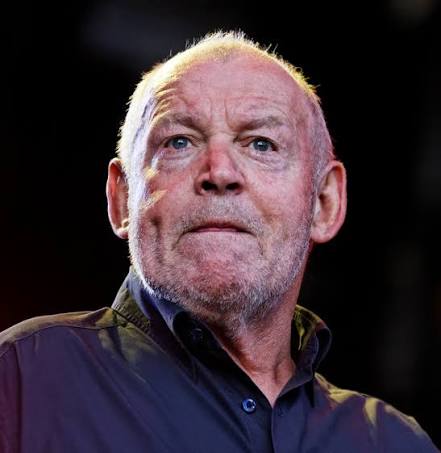
Estimated Net Worth
$60 Million
The value of his estate today is supported by ongoing revenue from classic recordings such as “With a Little Help from My Friends,” “You Are So Beautiful,” and “Up Where We Belong,” along with posthumous compilations and licensing uses. This article outlines the key factors behind his financial legacy, from his early career through the assets that continue to produce income for his estate.
Click here for: jason aldean ex wife net worth
Joe Cocker Net Worth in 2026
Joe Cocker’s estate is estimated at approximately $60 million as of 2026. This figure, consistent with widely reported estimates of his net worth at the time of his death, accounts for the value of his music catalog, ongoing royalties from sales and streaming, licensing income, and other assets held by the estate. While exact current valuations are private, the catalog continues to generate steady revenue more than a decade after his passing.
A substantial portion of the estate’s value derives from publishing and master recording rights managed on behalf of the estate. Signature tracks remain popular on streaming platforms and continue to be licensed for film, television, and other media, helping maintain the financial strength of the legacy.
Career and Beginnings
Joe Cocker was born John Robert Cocker on May 20, 1944, in Sheffield, England. He began performing in local pubs and clubs in the early 1960s, developing a powerful, blues-influenced style. His breakthrough came with the 1968 cover of The Beatles’ “With a Little Help from My Friends,” which reached number one in the UK and brought international attention.
The late 1960s and early 1970s defined much of his reputation. His performance at Woodstock in 1969 became legendary, and albums such as *Joe Cocker!* and the live *Mad Dogs & Englishmen* established him as a major interpreter of rock, blues, and soul material. Later hits including “You Are So Beautiful” and the Grammy- and Oscar-winning duet “Up Where We Belong” (with Jennifer Warnes) further solidified his commercial standing.
Business Ventures & Assets
Beyond recordings and touring, Cocker’s primary long-term asset was his music catalog. He and his wife Pam lived for many years at Mad Dog Ranch, a large property near Crawford, Colorado, that he helped develop. The ranch was later sold by subsequent owners after his death. The estate also benefits from merchandise, reissues, compilations, and licensing of his image and music.
Cocker received an OBE in 2007 for services to music and was posthumously inducted into the Rock and Roll Hall of Fame in 2025. These honors have helped sustain public interest in his work and support ongoing catalog activity.
Earnings and Income Streams
During his lifetime, Cocker earned primarily through album sales, extensive international touring, and performance royalties. After his death, the estate’s main income sources are streaming royalties, mechanical and performance rights, synchronization (sync) licensing for film, television, and advertising, and sales of physical and digital reissues. Classic tracks continue to appear in media placements, contributing to steady, if not spectacular, annual revenue for the estate.
Click here for: mansa musa net worth adjusted for inflation
Frequently Asked Questions About Joe Cocker Net Worth
1. What was Joe Cocker’s net worth at the time of his death in 2014?
Joe Cocker’s net worth at the time of his death on December 22, 2014, is most commonly estimated at $60 million. This figure reflects earnings from decades of recording, touring, and royalties.
2. What is Joe Cocker’s estimated estate value in 2026?
As of 2026, Joe Cocker’s estate is still estimated around $60 million. Ongoing royalties and licensing support the value, though precise current figures are not publicly audited.
3. How did Joe Cocker make most of his money?
His primary sources of wealth were album sales, large-scale touring, and royalties from his recordings and performances. Signature songs such as “With a Little Help from My Friends,” “You Are So Beautiful,” and “Up Where We Belong” have continued to generate income for the estate.
4. Did Joe Cocker leave a will, and who inherited his estate?
Yes. His estate passed primarily to his wife, Pam Baker (Pam Cocker), whom he married in 1987. She has overseen aspects of his legacy and music rights since his death. The couple had no biological children together; he had a stepdaughter, Zoey.
5. How much does Joe Cocker’s estate earn annually from royalties?
Exact annual figures are private. The estate earns from streaming, traditional radio and performance royalties, and synchronization licensing. These streams provide ongoing but moderate revenue rather than the multi-million-dollar annual totals sometimes claimed in unverified reports.
6. What are some of Joe Cocker’s highest-earning songs?
Key tracks that continue to generate income include “You Are So Beautiful,” “With a Little Help from My Friends,” “Up Where We Belong” (with Jennifer Warnes), “Unchain My Heart,” and “Feelin’ Alright.”
7. How does Joe Cocker’s net worth compare to other classic rock artists?
At an estimated $60 million, Cocker’s estate sits in a solid mid-to-upper tier among classic rock performers of his generation, well below the fortunes of songwriting superstars such as Paul McCartney or Mick Jagger but reflective of a long, successful career as a distinctive interpreter and live performer.
8. Are there posthumous Joe Cocker projects generating income?
Yes. Compilations, reissues of classic albums (including *Mad Dogs & Englishmen* material), live recordings, and licensing for documentaries, films, and television continue to produce revenue for the estate. His 2025 Rock and Roll Hall of Fame induction has also renewed interest.
9. How has streaming affected Joe Cocker’s estate since his death?
Streaming platforms have introduced his music to new listeners and provide a steady royalty stream. Classic tracks remain regularly played, supporting catalog value without dramatically transforming the overall estate estimate.
10. Is Joe Cocker’s music still licensed for commercials and media in 2026?
Yes. His recordings continue to be licensed for film, television, advertising, and other media because of their emotional impact and recognizability. Specific recent placements vary, but the catalog remains commercially active.
