
howard hughes net worth at death

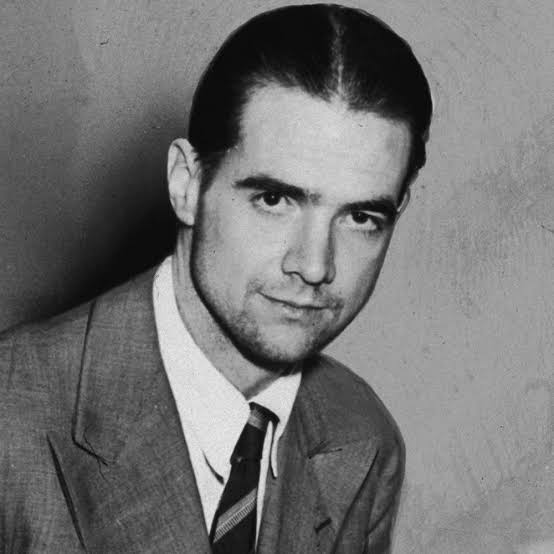
Estimated Net Worth
$2.5 Billion
Howard Hughes was an American business magnate, aviator, film producer, and engineer whose career spanned aviation, Hollywood, and real estate. He became one of the wealthiest businessmen of the 20th century through his family’s oil-tool business, his aviation companies, film production, and investments in Las Vegas hotels and casinos. His achievements were accompanied by an increasingly reclusive lifestyle, particularly during the final decades of his life.
Estimating Howard Hughes’ net worth at death requires distinguishing contemporary estimates of his estate from the modern value of businesses that were once associated with him. His fortune was tied to companies, property, investments, and other assets rather than simply cash. Although his estate was the subject of years of legal disputes after his death, historical accounts commonly place his wealth at approximately $2.5 billion in 1976. The precise valuation remains difficult to establish because estimates differed across sources and legal proceedings.
Click here for: george huguely family net worth
Howard Hughes Net Worth at Death
Howard Hughes’ net worth at the time of his death in 1976 is commonly estimated at approximately $2.5 billion. Contemporary accounts and subsequent financial histories have reported different valuations, with some estimates substantially lower or higher. Using $2.5 billion as a commonly cited figure, its purchasing power would be approximately $13–14 billion in 2026 dollars, depending on the inflation measure used. This is an inflation adjustment, not a claim that Hughes’ estate actually grew to that value after his death.
The exact value of Hughes’ estate was disputed during years of probate proceedings. His wealth was held through business interests, real estate, investments, and corporate structures, including Summa Corporation. The estate was eventually distributed to legally recognized heirs after extensive litigation. Hughes Aircraft was sold to General Motors in 1985 for approximately $5 billion, but that later sale price should not be treated as cash Hughes personally possessed at death. The subsequent performance of former business assets also does not establish a current personal net worth for Hughes, who died in 1976.
Career and Beginnings
Howard Hughes was born in Houston, Texas, in 1905. His father, Howard R. Hughes Sr., developed a successful business through the Hughes Tool Company, which manufactured oil-drilling equipment. After his father’s death in 1924, Hughes inherited control of the family business while still a young man. He attended Rice Institute, now Rice University, but left before completing a degree. With financial resources from the family business, he moved into film production and began building his own business interests.
Hughes became known in Hollywood for producing ambitious films, including Hell’s Angels, Scarface, and The Outlaw. In the 1930s, he also pursued aviation, combining personal flying achievements with aircraft design and engineering projects. He established the Hughes Aircraft Company in 1932 and personally piloted the H-1 Racer to a world airspeed record in 1935. His aviation projects and later defense-related work helped establish his reputation as an ambitious entrepreneur, although some projects were expensive and financially risky.
Business Ventures & Assets
Hughes’ business interests extended across oil-field equipment, aviation, entertainment, airlines, and real estate. The Hughes Tool Company provided the foundation of his inherited wealth, while Hughes Aircraft became a major aviation and defense contractor. He acquired a controlling interest in Trans World Airlines (TWA) in 1939 and became involved in a prolonged legal and corporate struggle over the airline. He eventually sold his TWA shares in the 1960s, so TWA should not be described as an asset he still owned when he died in 1976.
Real estate and hospitality investments also formed an important part of Hughes’ later business empire. Beginning in the 1960s, he acquired several Las Vegas hotels and casinos, including the Desert Inn, and purchased extensive property in Nevada and elsewhere in the western United States. These assets were held through business entities and were subsequently managed, sold, or transferred after his death. His holdings also included film-related interests and investments in other industries. The exact value of individual assets at death is difficult to establish from public accounts, so specific property valuations should not be presented as confirmed without supporting records.
Earnings and Income Streams
Hughes’ wealth originated partly from the family oil-tool business and expanded through his investments in filmmaking, aviation, and other industries. His film projects included Hell’s Angels, Scarface, and The Outlaw, although production costs and commercial results varied. His aviation interests included aircraft development and manufacturing, while Hughes Aircraft later became an important supplier of military and aerospace technology. The company’s corporate revenue, however, was not the same as Hughes’ personal income or net worth.
His investments in commercial aviation, real estate, hotels, and casinos provided additional business interests. His ownership of TWA was significant during the airline’s earlier development, but he disposed of his shares before his death. Hughes’ Las Vegas properties and other investments contributed to the value of his estate, although their earnings and ownership structures changed over time. There is no reliable public accounting that establishes a precise annual personal income figure for Hughes in his final years. His wealth is therefore better described through historical estate estimates than through unsupported yearly earnings calculations.
Click here for: joe walsh net worth
Frequently Asked Questions About Howard Hughes’ Net Worth at Death
1. What was Howard Hughes’ net worth at the time of his death?
Howard Hughes’ net worth at death in 1976 is commonly estimated at around $2.5 billion, although historical valuations vary. Adjusted for inflation, that amount is approximately $13–14 billion in 2026 dollars. The modern equivalent is an estimate of purchasing power, not a current fortune owned by Hughes or his estate.
2. How did Howard Hughes accumulate his wealth?
Hughes built his fortune through several business interests, including:
- The Hughes Tool Company, which he inherited from his father.
- Film production and distribution, including Hell’s Angels, Scarface, and The Outlaw.
- Aviation engineering and manufacturing through Hughes Aircraft Company.
- His former controlling interest in Trans World Airlines.
- Real estate, hotels, casinos, and other investments.
3. Did Howard Hughes’ net worth increase or decrease before his death?
Hughes’ wealth changed over the course of his career as his companies, investments, and property holdings gained or lost value. His business empire remained substantial in his final years, but the exact value of his estate at death is disputed. His reclusive lifestyle and reliance on managers affected how his businesses were operated, although it is difficult to quantify their precise effect on his total wealth.
4. Who inherited Howard Hughes’ fortune after his death?
Hughes died in 1976 without a valid will recognized by the courts. His estate became the subject of extensive litigation involving hundreds of people claiming to be heirs. Courts ultimately identified his legally recognized relatives, and the estate was distributed through a lengthy probate process. The inheritance was not simply transferred to 22 cousins in one straightforward transaction; the final administration involved multiple jurisdictions, taxes, and legal proceedings.
5. What would Howard Hughes’ net worth be in 2026 if he were alive today?
Inflation alone would put a $2.5 billion fortune from 1976 at approximately $13–14 billion in 2026 dollars. If Hughes had remained alive and continued investing, his wealth could have changed substantially, but there is no reliable way to calculate that hypothetical outcome. Claims that he would necessarily have been worth more than $100 billion are speculative rather than established financial estimates.
6. How did Howard Hughes’ reclusive lifestyle affect his net worth?
Hughes became increasingly reclusive during the later years of his life and relied heavily on aides and business managers. His limited direct involvement in everyday operations made his business affairs difficult to assess from the outside. Although his personal circumstances and management arrangements attracted considerable attention, there is insufficient evidence to attribute a specific financial loss to his reclusiveness alone.
7. What were the most valuable assets associated with Howard Hughes’ estate?
Important assets and business interests associated with Hughes included:
- His interests in Hughes Aircraft Company, which was sold to General Motors in 1985 for approximately $5 billion.
- His inherited interests in the Hughes Tool Company and related businesses.
- Real estate, hotels, and casinos acquired through his Las Vegas investments.
- His former stake in Trans World Airlines, which he sold before his death.
- Film-related interests, investments, and assets held through corporate entities such as Summa Corporation.
These assets changed ownership and value over time. Later sale prices should not be confused with the value of Hughes’ personal estate in 1976.
8. Did Howard Hughes die broke or wealthy?
Howard Hughes died extremely wealthy by the standards of his time. His estate was valued in the hundreds of millions to billions of dollars in various historical estimates. The lengthy legal disputes, inheritance taxes, and administrative costs affected the estate’s eventual distribution, but they do not mean that Hughes died broke.
9. How does Howard Hughes’ net worth compare to modern billionaires in 2026?
Using the commonly cited $2.5 billion estimate at death, Hughes’ fortune would be worth approximately $13–14 billion in 2026 dollars after inflation. That provides a useful historical comparison, but it does not directly establish where he would rank among modern billionaires. Current billionaire rankings measure present-day assets and liabilities, while Hughes’ inflation-adjusted figure represents the purchasing power of wealth in 1976.
10. Are there any surviving businesses or assets connected to Howard Hughes today?
Yes. Several modern businesses and corporate histories have connections to companies once associated with Hughes:
- Baker Hughes traces part of its corporate history to the Hughes Tool Company.
- The Howard Hughes Corporation developed from the real estate business associated with Hughes’ former holdings and later became a separate public company.
- Hughes Network Systems continues to operate in satellite communications and is associated with EchoStar.
- Hughes Aircraft’s business history continued through corporate acquisitions, including its sale to General Motors in 1985 and later transactions involving parts of the business.
These connections are historical and corporate; they do not mean that Howard Hughes personally owns these businesses today. His estate was administered and distributed after his death, and the modern companies have their own ownership structures.
