
bela lugosi net worth

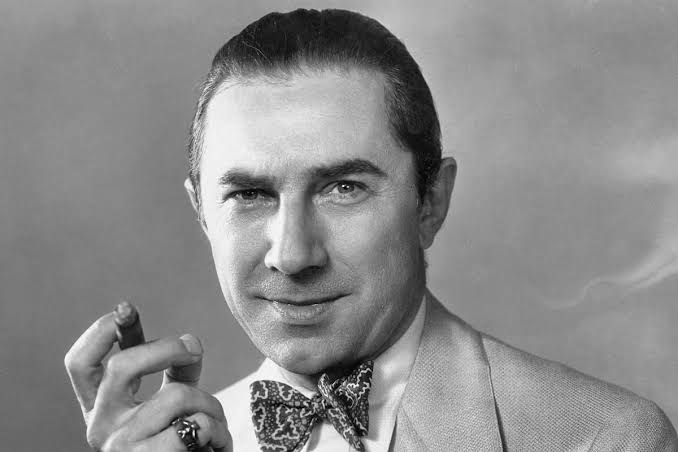
Estimated Net Worth
$5,000–$25,000
Bela Lugosi remains one of the most iconic figures in horror cinema, a name synonymous with classic monsters and gothic charm. Best known for his portrayal of Count Dracula, the Hungarian-born actor helped establish the image of the sophisticated, charismatic vampire that continues to influence horror films and popular culture. Although he achieved international fame, his financial circumstances were far less glamorous than his screen persona. He died in 1956, reportedly leaving only a small amount of cash and some modest real estate.
Unlike modern celebrities, Lugosi did not build a publicly documented business empire or benefit from today’s large-scale entertainment licensing systems. His career included theater, film, radio, and personal appearances, but his income was inconsistent, particularly in his later years. His image and performances remain commercially recognizable, yet there is no reliable public accounting of current earnings from his likeness or a multi-million-dollar estate belonging to his heirs.
Bela Lugosi at a Glance
| Category | Details |
|---|---|
| Estimated Net Worth | $5,000–$25,000 (estimated at death in 1956; not a verified valuation) |
| Full Name | Béla Ferenc Dezső Blaskó |
| Date of Birth | October 20, 1882 |
| Birth Place | Lugos, Kingdom of Hungary (now Lugoj, Romania) |
| Date of Death | August 16, 1956 |
| Nationality | Hungarian-born American |
| Profession | Actor |
| Known For | Count Dracula in the 1931 film Dracula |
| Spouse | Hope Lininger Lugosi (fifth wife) |
| Children | One son, Bela George Lugosi Jr. |
| Parents | István Blaskó and Paula de Vojnich |
| Gender | Male |
Click here for: arms family homestead net worth
Bela Lugosi Net Worth in 2026
Because Bela Lugosi died in 1956, he does not have a personal net worth in 2026 in the same way a living celebrity does. The most meaningful financial reference is the condition of his estate when he died. Reports about his will state that he left approximately $1,000 in cash, along with some inexpensive real estate in Elsinore, California. The total value of the estate has not been reliably established, so estimates of his wealth at death should be treated as approximate rather than confirmed financial figures.
His lasting fame has created a market for film memorabilia, archival material, and products inspired by his portrayal of Dracula. However, this does not mean that his estate automatically receives royalties from every film showing, merchandise item, or use of the Dracula character. Universal Pictures and the Lugosi family were involved in a major legal dispute over the commercial use of his likeness. In 1979, the California Supreme Court ruled against the claim that Lugosi’s right of publicity had passed to his heirs under the law then applicable. As a result, claims that his family currently earns millions of dollars annually from Dracula licensing are not supported by that legal history.
Lugosi’s financial legacy is therefore different from his cultural legacy. His films continue to attract audiences, and authentic memorabilia can command substantial prices, but there is no verified public valuation of a modern Lugosi estate or a reliable calculation of posthumous income. His importance to horror cinema is unquestioned, even though his personal finances were modest compared with the wealth associated with some contemporary entertainment figures.
Career and Beginnings
Bela Lugosi was born Béla Ferenc Dezső Blaskó on October 20, 1882, in Lugos, then part of the Kingdom of Hungary and now known as Lugoj, Romania. He began acting on the stage in Hungary in the early 1900s and developed experience in theatrical productions, including Shakespearean plays. After leaving Europe, he arrived in the United States in the early 1920s and initially worked in Hungarian-language theater before taking on American stage and film roles.
His major breakthrough came in 1927, when he played Count Dracula in the Broadway stage production of the same name. The production was successful and helped establish him as the actor most closely associated with the vampire character. Universal Pictures later cast him in the 1931 film adaptation directed by Tod Browning. The movie became a landmark of horror cinema, and Lugosi’s performance helped define the appearance and mannerisms of Dracula for generations of audiences.
Although the role made him famous, it also contributed to typecasting. Lugosi continued appearing in horror films and other productions, including White Zombie, The Black Cat, The Raven, Son of Frankenstein, and Abbott and Costello Meet Frankenstein. He worked in stage productions and made radio and television appearances as well. In the later part of his career, he accepted roles in lower-budget films, including projects directed by Ed Wood. Lugosi died in 1956, before the release of Plan 9 from Outer Space in 1959, which incorporated footage filmed before his death.
Business Ventures & Assets
Lugosi’s career was built primarily around acting rather than a portfolio of independent businesses. He earned money through theater engagements, film contracts, touring productions, and personal appearances. He also worked in radio and television, including appearances connected with the mystery and horror genres. There is no reliable evidence that he operated a successful horror-themed radio business called The Bela Lugosi Show, as some accounts have claimed.
One of the best-known properties associated with Lugosi was Castle La Paloma, a Tudor-style home in the Beachwood Canyon area of the Hollywood Hills. The house was later reported by the Los Angeles Times to have sold for $2.25 million in 2011. That sale price reflected the property’s value decades after Lugosi lived there; it should not be confused with his personal wealth or the amount he received when he owned it. The available reporting does not establish that the home was his only property or provide a complete record of his real estate holdings.
Lugosi also owned personal belongings and film memorabilia, including Dracula costumes and other items associated with his screen career. His famous 1931 Dracula cape was later donated in part by the Lugosi family to the Academy Museum of Motion Pictures. A separate screen-worn cape from Abbott and Costello Meet Frankenstein was offered at Sotheby’s in 2025 with an estimate of $200,000 to $300,000. These collectibles demonstrate the continuing interest in his work, but their auction or exhibition value does not establish that Lugosi’s heirs receive ongoing income from all memorabilia or licensing activity.
Earnings and Income Streams
Lugosi’s primary income came from acting on stage and in films. His pay varied depending on the production, his role, and the state of his career. For the 1931 film Dracula, he reportedly received $500 per week for seven weeks of work, amounting to approximately $3,500. Although the movie became a major success, his contract did not provide him with the kind of ongoing box-office royalties that modern performers may negotiate. Universal retained the film’s commercial rights under the production arrangements.
In addition to film work, Lugosi earned money from stage performances, touring productions, radio appearances, and personal appearances. He continued to seek acting opportunities even when major studio roles became less frequent. His later career included lower-budget films, and his income became less dependable as his health and professional opportunities declined. His work in radio included appearances on programs such as Mystery House, rather than a documented long-running radio show that he owned or operated.
Lugosi’s financial difficulties were widely reported in accounts of his later life. He struggled with typecasting and drug dependency, and he voluntarily sought treatment for morphine addiction in 1955. When he died the following year, reports described a modest estate that included approximately $1,000 in cash and some real estate. His films and image remain valuable parts of entertainment history, but there is no verified evidence that his estate generates millions annually or that his net worth has grown to several million dollars since his death.
Click here for: ben hockett net worth
Frequently Asked Questions About bela lugosi net worth
1. What was Bela Lugosi’s net worth at the time of his death?
Bela Lugosi’s exact net worth at the time of his death in 1956 has not been reliably established. Reports about his will state that he left approximately $1,000 in cash, along with some modest real estate. This suggests that his estate was relatively small despite his fame, but the total value of his assets and liabilities is not publicly confirmed.
2. How much would Bela Lugosi’s net worth be worth in 2026?
There is no verified 2026 valuation of Bela Lugosi’s estate. His reported $1,000 in cash from 1956 would have greater purchasing power today after inflation, but that calculation would not represent his total estate or the current value of assets once owned by him. His cultural legacy and the market for memorabilia are valuable, but they should not be confused with a confirmed personal net worth.
3. Did Bela Lugosi make money from Dracula (1931) after its release?
Lugosi reportedly received $500 per week for seven weeks of work on Dracula, for a total of approximately $3,500. There is no reliable evidence that his original contract gave him ongoing box-office royalties from the film. Universal Pictures controlled the film’s commercial exploitation, and the later dispute over merchandising rights to Lugosi’s likeness was the subject of the California case Lugosi v. Universal Pictures.
4. Why was Bela Lugosi so poor despite his fame?
Lugosi’s financial difficulties were linked to several factors:
– Typecasting: His association with Dracula made it harder to secure a wide variety of roles.
– Inconsistent work: As his career changed, he increasingly accepted lower-budget productions and less dependable acting opportunities.
– Contract terms: His reported payment for Dracula did not include ongoing box-office royalties.
– Personal struggles: Drug dependency and health problems affected his later years and career.
5. Did Bela Lugosi’s family inherit any money from his estate?
Yes. Reports about Lugosi’s will state that he left approximately $1,000 in cash and some modest real estate. His fifth wife, Hope Lininger Lugosi, and his son, Bela George Lugosi Jr., were among the beneficiaries. The cash was reportedly divided between them. The total value of the estate and the eventual disposition of every asset are not established by a complete public financial record.
6. How much are Bela Lugosi’s likeness rights worth in 2026?
There is no reliable public valuation of Bela Lugosi’s likeness rights in 2026. His heirs challenged Universal Pictures over commercial use of his Dracula image, but the California Supreme Court ruled in 1979 that the right of publicity at issue did not pass to heirs under the law then applicable. It is therefore misleading to claim that the family receives millions of dollars every year from licensing his image. The value of individual memorabilia and the commercial value of his films are separate matters.
7. Did Bela Lugosi ever regain financial stability before his death?
There is no clear evidence that Lugosi fully recovered financially before his death. He continued acting and making appearances, but his later career was less consistent than his earlier work. He sought treatment for morphine addiction in 1955 and died in Los Angeles on August 16, 1956. Reports about his estate indicate that he left relatively little cash despite his international fame.
8. What is the most expensive Bela Lugosi memorabilia sold in 2026?
There is no verified record establishing that a Bela Lugosi Dracula cape sold for $1.8 million in 2022. The Academy Museum of Motion Pictures announced in 2019 that it had acquired the cape Lugosi wore in the 1931 film Dracula, through a partial gift from the Lugosi family. A separate cape worn in Abbott and Costello Meet Frankenstein was offered at Sotheby’s in 2025 with an estimate of $200,000 to $300,000. Signed photographs and other collectibles have also appeared at auction, with prices depending on authenticity, condition, and rarity.
9. How does Bela Lugosi’s net worth compare to other classic Hollywood horror stars in 2026?
Reliable, directly comparable net worth figures for classic horror actors are difficult to establish, especially when comparing people who died decades ago. Lugosi’s estate was reportedly modest at the time of his death, while other actors had different careers, investments, family arrangements, and estate histories. Figures claiming that Boris Karloff, Lon Chaney Sr., or Vincent Price had specific modern net worths should also be treated cautiously unless supported by estate records or credible financial documentation.
10. Are there any ongoing legal battles over Bela Lugosi’s estate in 2026?
The best-known legal dispute involving Lugosi’s image was the case brought by his widow and son against Universal Pictures. The California Supreme Court issued its decision in 1979, ruling that the right of publicity at issue did not pass to heirs under the law then applicable. There is no reliable evidence supporting claims of ongoing 2026 legal battles involving AI-generated Lugosi content, streaming rights, or settlements worth six or seven figures. Such claims should not be presented as fact without verifiable court records or credible reporting.
