
mozart net worth

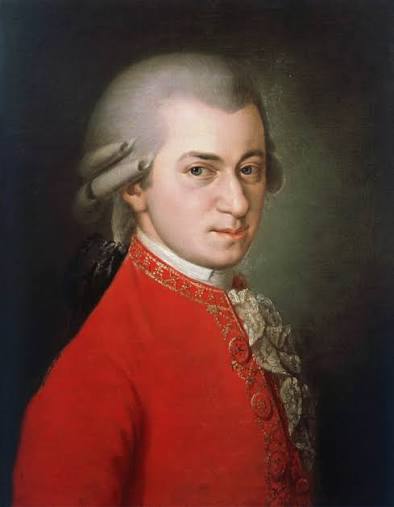
Estimated Net Worth
$50,000–$200,000
Wolfgang Amadeus Mozart remains one of the most celebrated composers in history, renowned for his extraordinary musical talent and enduring influence on classical music. Born in Salzburg in 1756, he composed symphonies, concertos, chamber music, and operas that continue to be performed around the world. Estimating Mozart’s net worth in modern terms is difficult because he died in 1791, long before today’s music royalties, streaming services, and commercial licensing systems existed. A historical-equivalent estimate of $50,000–$200,000 can serve as a broad editorial range for discussing his personal financial position, but it is not a verified modern valuation of his estate.
Mozart’s financial story is more complicated than the idea that he was either extremely wealthy or completely destitute. His income came from commissions, performances, teaching, publishing arrangements, and court employment. He also experienced periods of financial pressure and borrowed money from friends. His music remains commercially and culturally valuable, but modern revenue generated by orchestras, publishers, performers, museums, and recording companies does not automatically belong to Mozart’s estate. His legacy is best understood through the lasting influence of his compositions and the historical evidence about his finances.
Click here for: mckenna grace net worth
Mozart Net Worth in 2026
Wolfgang Amadeus Mozart’s net worth in 2026 cannot be calculated as if he were a living celebrity. He died in 1791, and his original musical compositions are generally in the public domain. A historical-equivalent estimate of $50,000–$200,000 provides a broad editorial range for discussing his personal financial position, but it should not be confused with a verified modern estate valuation. His surviving financial records indicate that he had debts, income from musical work, and assets that passed through his estate.
Mozart’s music continues to generate economic activity through concerts, recordings, teaching, publishing, and cultural institutions. However, the original compositions are generally free of copyright restrictions, while particular modern recordings, editions, arrangements, and productions may be protected by separate rights. Revenue earned by orchestras, publishers, museums, and music organizations does not automatically belong to Mozart’s estate. There is no reliable basis for claiming that his estate is worth $50 million to $100 million today or that it receives modern royalties from all performances of his original compositions.
Career and Beginnings
Mozart’s musical career began in childhood under the guidance of his father, Leopold Mozart, a composer, violinist, and experienced music teacher. By the age of five, Wolfgang was composing short pieces and demonstrating exceptional musical ability. His father organized extensive tours across Europe, where Mozart performed before aristocrats and royal audiences. These appearances helped establish his reputation as a child prodigy and provided opportunities for paid performances and patronage.
As a teenager, Mozart continued to travel and work as a musician, including employment at the Salzburg court. He later sought greater independence and moved to Vienna in 1781, where he developed a career as a freelance composer, performer, and teacher. This transition offered opportunities to earn money through concerts, commissions, and lessons, but it also left him more exposed to fluctuations in demand and the financial pressures of independent professional life.
Business Ventures & Assets
Mozart’s main professional assets were his musical manuscripts, compositions, instruments, and reputation. In the eighteenth century, composers could receive payment for commissioned works, performances, and the sale or publication of sheet music. The commercial arrangements varied, and they should not be equated with the modern system of streaming royalties and international copyright licensing. Mozart’s financial records and correspondence indicate that he sometimes faced cash-flow difficulties and borrowed money from friends.
Mozart also organized subscription concerts in Vienna, through which audiences paid in advance or subscribed to attend performances of new music. These concerts provided opportunities to earn directly from his work, although their profitability varied. He owned musical instruments and household possessions, but the available historical evidence does not support assigning a modern multimillion-dollar valuation to his personal assets. The value of surviving manuscripts and historical objects today is a separate matter from the value of the estate he left at his death.
Earnings and Income Streams
During his lifetime, Mozart earned money from commissions, court employment, public concerts, private performances, teaching, and music publication. Patrons and institutions paid for particular works, and performances could provide additional income. His opera The Marriage of Figaro premiered in Vienna in 1786, while The Magic Flute premiered in 1791. These works contributed to his reputation and professional activity, but exact lifetime earnings cannot be reconstructed with enough certainty to support a precise modern-dollar total.
Teaching was another part of Mozart’s professional life. He gave piano lessons and worked with students, including members of wealthy families. He also earned money through performances and the publication of some of his compositions. His finances fluctuated over time, and surviving letters document periods when he sought loans. Nevertheless, the popular claim that he died in overwhelming poverty oversimplifies the historical evidence: research into his estate indicates that his debts were not as enormous as contemporary rumors suggested.
Today, Mozart’s compositions remain central to classical music and are performed, recorded, studied, and adapted worldwide. The original compositions are generally in the public domain, meaning that modern performers and organizations do not owe copyright royalties simply for performing those original works. New recordings, edited editions, arrangements, and audiovisual productions may have their own rights and revenue streams. The Salzburg Mozarteum Foundation preserves Mozart-related materials, maintains museums, and supports research and concerts, but its income belongs to the organization and should not be described as Mozart’s personal income or the earnings of his descendants.
Click here for: natalie palamides net worth
Frequently Asked Questions About Mozart Net Worth
1. What was Mozart’s net worth at the time of his death?
Mozart’s exact net worth at the time of his death in 1791 is not established by a single definitive figure. Historical records indicate that he had outstanding debts and personal assets, and his estate documents require careful interpretation. A modern-equivalent range of $50,000–$200,000 can be used as a broad editorial estimate, but it is not a verified conversion of his estate into today’s dollars. Historical research also challenges the claim that he died with the enormous debts sometimes described in popular accounts.
—
2. How much would Mozart’s net worth be in 2026 if he were alive today?
There is no reliable way to calculate what Mozart’s net worth would be if he were alive in 2026. Such a figure would depend on his career, contracts, investments, spending, and ownership of rights in a hypothetical modern music industry. His lasting popularity does not establish that he would be worth hundreds of millions or billions of dollars, so those figures should be treated as speculation rather than a factual estimate.
—
3. Did Mozart die poor?
Mozart experienced financial difficulties during parts of his life and borrowed money from friends. However, describing him simply as having died in extreme poverty is misleading. Research into his estate indicates that his debts were not as excessive as some contemporary rumors claimed, and his widow, Constanze, later worked to support the family through concerts, publications, and other efforts connected with his music. The circumstances of his burial also reflected burial practices in Vienna at the time and do not by themselves prove that he was destitute.
—
4. How much money did Mozart make from his compositions?
Mozart received payments for commissioned compositions, performances, and the publication of music, but his total lifetime earnings are not known with sufficient certainty to provide an exact modern-dollar figure. Fees varied by work, patron, and arrangement. Claims that a particular commission always earned him a fixed modern equivalent should be avoided unless they can be tied to documented historical payment records.
—
5. What is the estimated value of Mozart’s music catalog in 2026?
There is no established market valuation of Mozart’s entire music catalog comparable to the valuation of a modern artist’s privately owned song catalog. The original compositions are generally in the public domain, so their value cannot be calculated as a single private copyright asset generating royalties for his estate. Modern recordings, arrangements, editions, and productions may have separate commercial value, but that value belongs to the relevant rights holders and organizations.
—
6. Did Mozart leave any inheritance to his family?
Mozart left personal possessions, musical materials, and financial obligations. His widow, Constanze, worked to support herself and their surviving children after his death, including through benefit concerts and the publication of his music. She also helped preserve his legacy and made efforts to secure income from his work. The exact financial outcome of the estate is more complicated than the claim that the family received only a small inheritance or that all his manuscripts were sold immediately.
—
7. How much would a Mozart autograph be worth in 2026?
The value of a genuine Mozart autograph depends on its rarity, condition, provenance, historical importance, and the nature of the document. Sotheby’s records show that the autograph manuscript of the Fantasia and Sonata in C minor, K. 475 and K. 457, sold in 1990 for £880,000. That historical sale does not establish the current value of every Mozart manuscript, and no universal price range can reliably be assigned to all letters or musical autographs.
—
8. Did Mozart earn more than other composers of his time?
Mozart’s income varied throughout his career, making it difficult to compare his earnings precisely with those of other eighteenth-century composers. Joseph Haydn benefited from long-term employment with the Esterházy family, while Antonio Salieri held prominent musical appointments in Vienna. Their employment arrangements, commissions, and professional opportunities differed, so claims that one composer consistently earned more than another require specific historical evidence.
—
9. How much do Mozart’s descendants earn from his legacy in 2026?
There is no reliable public figure for annual income earned by Mozart’s descendants from his legacy. His two surviving sons, Karl Thomas Mozart and Franz Xaver Wolfgang Mozart, had no known children, so Mozart has no established direct descendants through those two sons today. His original compositions are generally in the public domain, and organizations such as the Salzburg Mozarteum Foundation support research, museums, and concerts. Their revenues should not be presented as payments to Mozart’s descendants.
—
10. What is the most expensive Mozart-related item ever sold?
One documented high-value sale was the autograph manuscript of Mozart’s Fantasia and Sonata in C minor, K. 475 and K. 457, which sold at Sotheby’s in 1990 for £880,000. The manuscript was acquired by Austrian institutions and is now held by the International Mozarteum Foundation in Salzburg. It is important to distinguish that historical auction result from a current appraisal, and it should not be confused with the value of Mozart’s entire estate or music catalog.
