
vern gosdin net worth

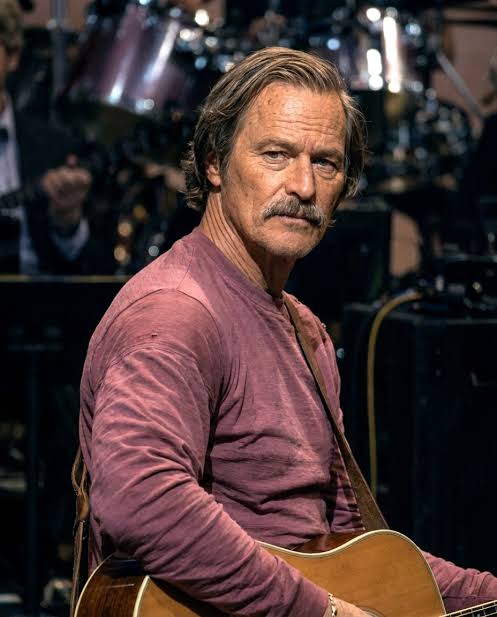
Estimated Net Worth
$1 Million–$3 Million
Vern Gosdin was one of country music’s most respected voices, known for his rich baritone and emotionally expressive ballads. Over a career spanning more than four decades, he earned the nickname “The Voice” for his distinctive singing style and heartfelt performances. Although he never reached the commercial heights of some of his contemporaries, he became an influential figure in traditional country music. His best-known songs include “Chiseled in Stone,” “Set ‘Em Up Joe,” and “I Can Tell by the Way You Dance (You’re Gonna Love Me Tonight).”
Gosdin’s financial history is not well documented publicly. His career income came primarily from recording, live performances, songwriting, and music publishing. Because he died in 2009, any money generated today by his recordings and compositions would be income for the relevant rights holders or his estate, rather than personal earnings. Estimates of his wealth should be treated cautiously because no verified public record establishes the value of his estate or music rights.
Click here for: travis perry net worth
Vern Gosdin Net Worth in 2026
Vern Gosdin’s personal net worth was never publicly confirmed, and there is no verified figure for the value of his estate. A cautious estimate places his wealth in the range of $1 million to $3 million, based on his long recording career, songwriting work, touring history, and music catalog. This is an approximate editorial estimate, not an amount confirmed by his family, representatives, or financial records.
Gosdin’s songs continue to have a place in country music through recordings, compilations, digital distribution, and radio play. His songwriting credits on tracks such as “Chiseled in Stone,” “Set ‘Em Up Joe,” and “Today My World Slipped Away” are an important part of his musical legacy. However, the current ownership and financial value of the relevant recording and publishing rights are not publicly established. It would therefore be misleading to claim a specific current estate value or annual royalty income.
Personal Life & Career Beginnings
Vern Gosdin was born on August 5, 1934, in Woodland, Alabama, and was one of nine children. He grew up in a poor rural family, and music became part of his life at an early age. His mother played piano at church, where Vern and his brothers sang. He and his brother Rex later performed together, eventually forming the Gosdin Brothers. The family also sang gospel music on a Birmingham radio program.
In 1961, Gosdin and his brother Rex moved to California to pursue opportunities in the West Coast country and bluegrass scene. They performed with groups including the Golden State Boys and the Hillmen before developing their own act as the Gosdin Brothers. The duo recorded music with artists and musicians including Gene Clark, Clarence White, Glen Campbell, and Leon Russell. Their work helped establish Gosdin’s reputation before his later solo success.
During the 1970s, Gosdin moved his family back to Georgia and took a break from performing, working in the family glass business and operating a retail business. He eventually returned to music and moved to Nashville in the late 1970s. His solo career gained momentum with songs including “Till the End,” “Yesterday’s Gone,” and “Hangin’ On.” He later became known for a run of successful country singles, including “I Can Tell by the Way You Dance,” “Set ‘Em Up Joe,” and “I’m Still Crazy.”
Assets & Business Ventures
Reliable public information about Gosdin’s personal property and real estate holdings is limited. There is no dependable evidence confirming the value of a Nashville home, ownership of land outside the city, or a specific collection of vintage guitars. Claims about a $300,000 home, a particular Fender Telecaster, or other personal assets should not be treated as established facts without supporting documentation.
Gosdin did have business experience outside the music industry. During his time in Georgia, he worked in the family glass business and operated a glass and mirror company. Earlier in his life, he also ran a nightclub in Chicago and a retail business. These activities were part of his working life, but there is no reliable evidence that he built a major private-equity portfolio or a large commercial real estate operation.
His most significant professional assets were connected to his music career: his recordings, songwriting credits, and the compositions he wrote or co-wrote. Gosdin was an accomplished songwriter, and many of his best-known songs were written with collaborators such as Max D. Barnes, Buddy Cannon, and Hank Cochran. The precise ownership arrangements and present-day value of his music rights have not been publicly disclosed.
Current Income Streams & Yearly Earnings in 2026
Because Vern Gosdin died in 2009, he does not personally earn an annual income in 2026. His recordings and compositions may continue to generate revenue through streaming, digital downloads, physical reissues, radio broadcasts, and licensed uses. Any payments from these activities would go to the current owners or administrators of the relevant recording and publishing rights, and potentially to his estate or beneficiaries according to the applicable agreements.
Songwriting royalties are an important part of the continuing value of Gosdin’s catalog. Songs such as “Chiseled in Stone,” “Set ‘Em Up Joe,” and “Today My World Slipped Away” have been recorded and performed over the years. However, the amount of money generated by these works depends on ownership shares, licensing activity, usage, and royalty arrangements. No reliable public source establishes that his estate earns $100,000 to $250,000 annually.
Gosdin’s music has also remained available through compilations, reissues, and digital music services, helping new listeners discover his work. These releases contribute to the continued visibility of his catalog, but their sales or streaming activity should not be confused with a confirmed annual income for his estate. The exact financial returns remain private.
Click here for: vicky stark net worth
Frequently Asked Questions About Vern Gosdin Net Worth
1. What was Vern Gosdin’s net worth at the time of his death?
Vern Gosdin’s exact net worth at the time of his death in 2009 was not publicly disclosed. A broad estimate of $1 million to $3 million can be used as an editorial approximation, but there is no verified estate accounting confirming that amount. His career earnings came from recording, touring, songwriting, and related music activities.
2. What is Vern Gosdin’s estimated net worth in 2026?
Vern Gosdin died in 2009, so he does not have a personal net worth that changes through new earnings in 2026. His estate or the current rights holders may continue to receive revenue from his recordings and compositions. The value of those rights and the estate’s current assets have not been publicly established.
3. How did Vern Gosdin make most of his money?
Gosdin earned money through his country music career, including album recordings, live performances, songwriting, and royalties. His best-known songs include “Chiseled in Stone,” “Set ‘Em Up Joe,” “I Can Tell by the Way You Dance,” and “Today My World Slipped Away.” He also had business experience outside music, including work in the glass and retail businesses.
4. Did Vern Gosdin own any valuable assets besides music royalties?
There is limited verified information about Gosdin’s personal assets and real estate. He worked in business outside music, including the glass and mirror trade, but specific claims about the value of his home, land, vehicles, or guitar collection are not sufficiently documented. His songwriting and recording catalog is the best-known part of his professional legacy.
5. Are Vern Gosdin’s songs still generating income in 2026?
His recordings and compositions remain available through music services, radio, compilations, and reissues. These uses may generate recording and songwriting royalties for the relevant rights holders. However, the amount earned in 2026 and the share payable to his estate or beneficiaries are not publicly known.
6. Who manages Vern Gosdin’s estate and royalties now?
The current administration of Gosdin’s estate and music rights has not been clearly documented in reliable public sources. Music royalties can involve recording owners, music publishers, collection societies, administrators, and beneficiaries. It would be speculative to name a specific person or organization as the current manager without confirmation.
7. Did Vern Gosdin have any financial struggles during his career?
Gosdin experienced career changes and periods away from performing. During the 1970s, he moved his family to Georgia and worked in the family glass business before returning to music. He also faced health challenges later in life, including a stroke in 1998 and further health problems before his death in 2009. Detailed records of his personal finances are not publicly available.
8. How does Vern Gosdin’s net worth compare to other country music legends?
Gosdin’s financial position cannot be compared precisely with other country artists because his personal wealth and estate value were not publicly disclosed. He was highly respected for his singing and songwriting, but his commercial career was different from that of major country superstars such as George Strait and Garth Brooks. His lasting influence is better established through his recordings and songwriting than through financial estimates.
9. Are there any posthumous releases or projects adding to his net worth in 2026?
Gosdin’s music has continued to appear in compilations, reissues, and digital catalogs since his death. Such releases can help preserve his musical legacy and may generate revenue for the owners of the relevant rights. However, there is no confirmed public accounting of posthumous earnings or a specific project that has materially changed the value of his estate in 2026.
10. Can fans still support Vern Gosdin’s legacy financially?
Fans can support Gosdin’s musical legacy by streaming his recordings through licensed services, purchasing official releases, and exploring his albums and songwriting catalog. Buying authorized music products helps support the legitimate rights holders and keeps his work accessible to new generations of country music listeners.
